Newborn Baby Essentials Checklist for Parents in Pakistan
Preparing for a newborn is an exciting experience, but shopping for your baby's arrival can sometimes feel overwhelming. With so many baby products available, new parents may find it difficult to decide what they actually need and what can wait until later.
The good news is that you do not need to buy everything at once. A practical newborn baby essentials checklist can help you prepare for your baby's first weeks, manage your budget and focus on products that support everyday care.
If you are preparing for a baby in Pakistan, this guide will help you organize your shopping into simple categories, from newborn clothing and feeding supplies to bathing products and safe sleep essentials.
1. Newborn Baby Clothes
Newborns need comfortable clothing that is easy to put on, remove and wash. When shopping for baby clothes, consider your local weather, the season and how often you expect to do laundry.
Useful clothing essentials may include:
- Soft cotton bodysuits or vests.
- Comfortable sleepsuits.
- Baby socks and mittens, when appropriate.
- A few caps for suitable weather conditions.
- Soft towels and muslin cloths.
- A light blanket for supervised use when appropriate.
Choose comfortable fabrics and check that clothing does not have loose buttons, strings or decorative parts that could become hazards. Avoid buying too many newborn-sized outfits because babies grow at different rates.
For Pakistan's warmer months, breathable clothing can be particularly useful. During colder weather, use appropriate layers rather than relying on one heavy garment.
2. Baby Feeding Essentials
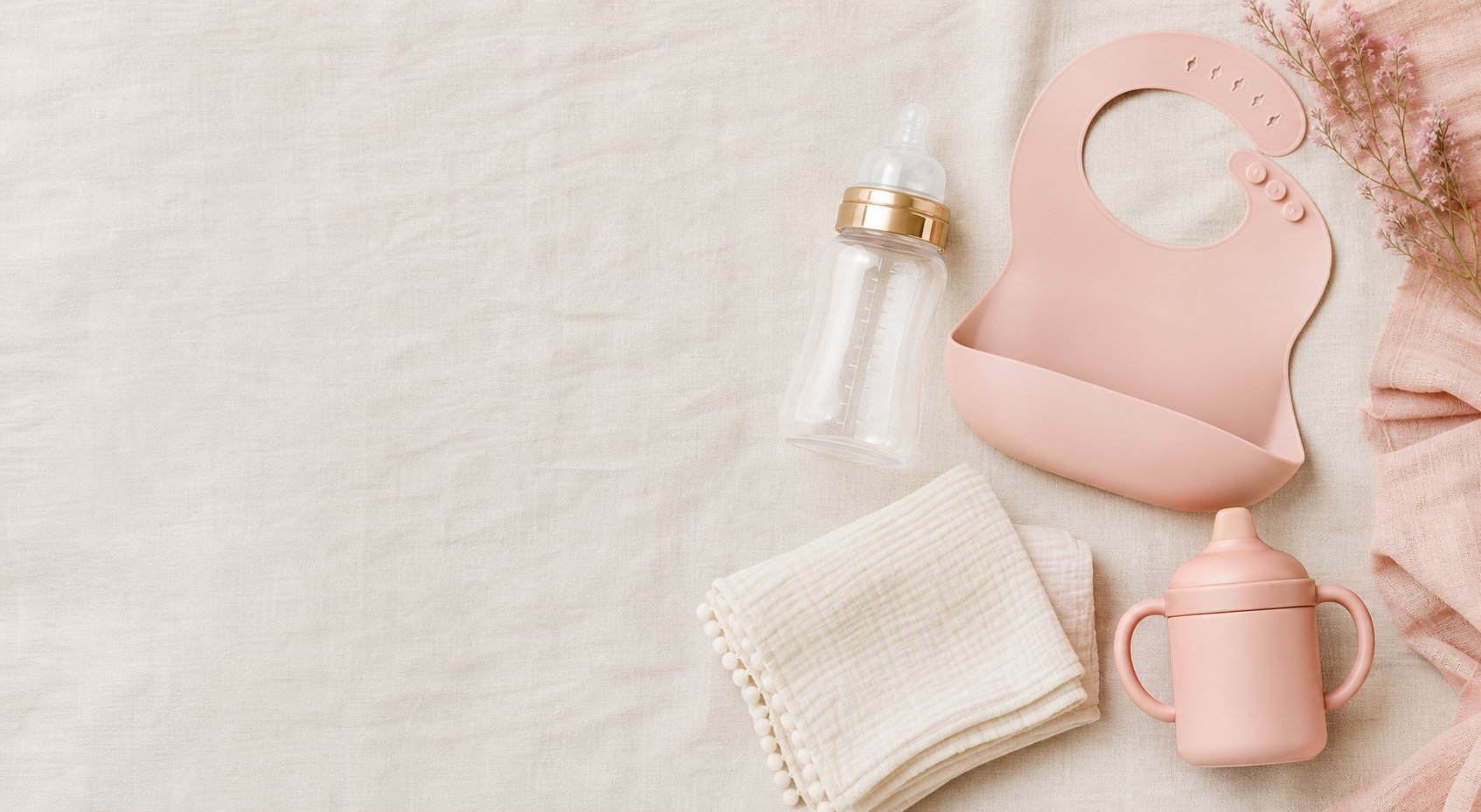
Feeding needs vary depending on your family's circumstances and your baby's feeding method. Prepare the items that are relevant to your situation rather than purchasing every available feeding product.
Depending on your needs, useful items may include:
- Burp cloths.
- Muslin cloths.
- Bibs for later feeding stages.
- Baby bottles, if required.
- Bottle-cleaning brushes, if using bottles.
- A suitable bottle sterilizing method, where needed.
- A nursing pillow or other comfortable feeding support, if useful.
If you are breastfeeding, you may also want to explore products such as breast pads or a breast pump, depending on your individual needs.
Always follow the manufacturer's cleaning and sterilizing instructions for feeding equipment. For advice about breastfeeding, formula preparation or your newborn's feeding needs, consult a qualified healthcare professional.
3. Baby Bathing and Hygiene Products
Newborn skin is delicate, so it is helpful to keep bath time simple. Choose suitable baby-care products and avoid buying large quantities before you know what works well for your baby.
Consider preparing:
- A soft baby towel.
- Washcloths.
- A suitable baby bathtub, if needed.
- Gentle, age-appropriate cleansing products.
- A changing mat or clean changing surface.
- Diapers in an appropriate size.
- Cotton cloths for everyday cleaning.
- A diaper disposal solution.
Keep all bathing supplies within reach before starting. Never leave a baby unattended in water, even for a moment.
When choosing a baby bathtub, check its dimensions, stability, recommended age and instructions. A bath product should make supervised care more convenient, not replace hands-on supervision.
4. Newborn Diapering Essentials
Diaper changes are part of everyday newborn care. Preparing a small, organized diaper station can help make this routine easier.
Your checklist may include:
- Newborn or appropriately sized diapers.
- Soft wipes suitable for your baby's skin, or clean water and cloths.
- A changing mat.
- Clean clothes for quick changes.
- A suitable diaper bag for outings.
- A designated place for used diapers.
Start with a manageable quantity of diapers because your baby may need a different size sooner than expected. Keep the changing area clean and place everything you need within easy reach.
For outings, pack a few extra diapers, a change of clothes, cleaning supplies and a clean bag for soiled items.
5. Safe Sleep Essentials
Preparing a comfortable and safe sleep space is an important part of getting ready for a newborn.
Consider a suitable cot, bassinet or other sleep space that meets applicable safety standards, along with a firm, flat mattress designed for that product.
For safer sleep, follow current guidance from a qualified healthcare provider or recognized child-health authority. In general, babies should be placed on their backs for sleep, on a firm, flat surface, without loose blankets, pillows, stuffed toys or other soft objects in the sleep area.
Do not use a product for sleeping unless it is specifically designed and approved for that purpose. Always follow the product instructions and applicable safety recommendations.
A thoughtfully prepared sleep area is more important than buying lots of decorative nursery accessories.
6. Baby Travel and Outing Essentials
Whether you are visiting family or going to a healthcare appointment, having a small baby outing bag can be useful.
Depending on your baby's needs, consider packing:
- Diapers and cleaning supplies.
- An extra outfit.
- Muslin cloths.
- Feeding supplies appropriate to your feeding method.
- A weather-appropriate clothing layer.
- Any items recommended by your healthcare professional.
If travelling by car, choose an appropriate, correctly installed child car seat that meets relevant safety requirements. Hold your baby securely and follow the product's instructions when moving between locations.
For strollers and other travel products, compare the manufacturer's age recommendations, weight limits, harness, brakes and folding instructions before buying.
7. Baby Products You May Need Later
Not every baby product needs to be purchased before your newborn arrives. Some products become useful as your child grows and develops new abilities.
Depending on your family's needs, these might include:
- High chairs for the stage when your baby is developmentally ready for complementary feeding.
- Cups and feeding accessories for later stages.
- Age-appropriate play equipment.
- Tricycles, scooters and ride-on toys for suitable older children.
- Additional storage and travel accessories.
Always check the product's recommended age, developmental suitability and safety instructions. A product designed for an older baby or toddler is not automatically suitable for a newborn.
Buying gradually can help you avoid unnecessary expenses and choose products when you understand your baby's needs better.
8. How to Shop for Baby Essentials on a Budget
Preparing for a newborn does not have to mean buying every item in every category. A simple plan can help you prioritize essentials and avoid unnecessary purchases.
Here are a few practical tips:
Make a checklist first. Divide items into clothing, feeding, hygiene, sleep and travel categories.
Set a budget. Decide how much you can comfortably spend and prioritize everyday necessities.
Compare product details. Review dimensions, materials, instructions and age recommendations before purchasing.
Avoid overbuying.*Start with smaller quantities of items your baby may quickly outgrow.
Check what you already have. Family members may be able to provide suitable items, provided they are clean, safe and in good condition.
Review return policies. Understand the store's return and exchange conditions before ordering.
The goal is to prepare thoughtfully, not to purchase the largest number of products.
9. Where to Explore Baby Essentials in Pakistan
Finding suitable baby products is easier when you know which categories to explore and what details to compare.
At ParentingHub.pk, parents can browse baby and children's products for different family needs. Before making a purchase, review the available product description, size, age suitability, instructions and other relevant details.
Visit [ParentingHub.pk](https://www.parentinghub.pk/) to explore the website and discover baby essentials for your family's shopping list.
Frequently Asked Questions
What do parents need before a newborn arrives?
Start with suitable clothing, diapers, basic hygiene supplies, feeding items relevant to your situation and a safe sleep space. Other purchases can be made as your baby's needs become clearer.
How many newborn clothes should I buy?
Start with a modest selection of outfits and consider how often you can do laundry. Babies grow at different rates, so buying too many items in one size may not be necessary.
Which baby products should I buy first?
Prioritize items needed for everyday care, feeding, diaper changes and safe sleep. Then consider travel accessories and other products based on your family's circumstances.
Do I need to buy every baby product before delivery?
No. Some products are only useful at later developmental stages. A checklist can help you separate immediate necessities from items you may need in the future.
Final Thoughts
Preparing for a newborn becomes more manageable when you focus on essential items, compare products carefully and shop according to your family's needs.
Use this newborn baby essentials checklist as a starting point, then adjust it for your home, climate, budget and feeding arrangements. Remember that every family's situation is different, and you can add products gradually as your baby grows.
Explore baby products and parenting resources at [ParentingHub.pk](https://www.parentinghub.pk/) as you prepare for this exciting new chapter.